
When a Pathology Error Delays a Cancer Diagnosis
You did everything right. You noticed something was wrong. You saw a doctor. You had the biopsy. And then you got the words that let you breathe again: the results are benign. Nothing to worry about.
So you went back to your life. Months passed. Maybe a year. And then the cancer that was supposed to be “nothing” showed up again, bigger, angrier, and harder to treat. Now you are left with a terrible question. If the biopsy already had the answer, why did no one catch it in time?
Very often, the answer is a pathology error. The tissue that could have saved you was collected, but somewhere along the way it was misread, mishandled, or never properly examined. This is one of the most preventable causes of a delayed cancer diagnosis, and it can involve a second set of doctors most patients never even meet.
This article explains how biopsy and pathology errors happen, how they delay a cancer diagnosis, and when that delay may be malpractice. If any of this sounds like what happened to you or someone you love, Lupetin & Unatin is here to help.
Contact Us for a Free, Confidential Consultation
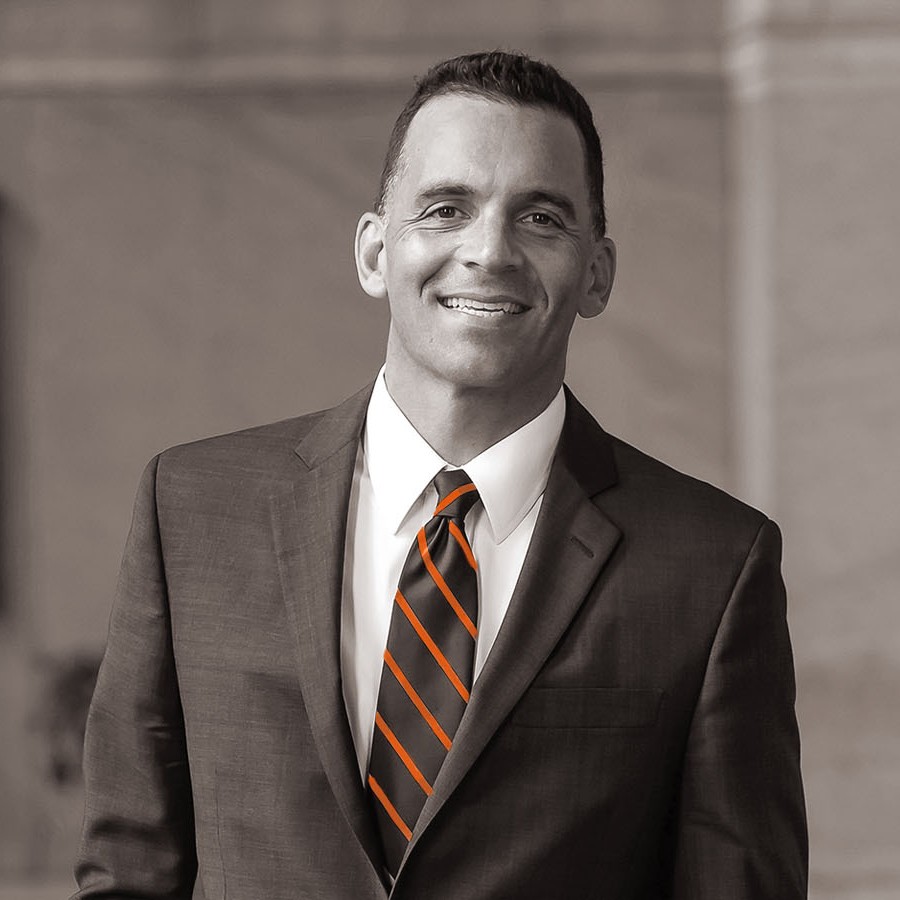
Article written by Brendan Lupetin, Esq. Brendan is a managing partner in the law firm of Lupetin & Unatin, a medical malpractice law firm located in Pittsburgh and serving Western Pennsylvania.
Our practice is limited to high-value catastrophic cases because that is where we can do the most for our clients and for patient safety.
What a Biopsy Is Supposed to Do
A biopsy is often the final step in finding cancer. A doctor removes a small piece of tissue, a mole, a lump, a bit of tissue from a scan, and sends it to a lab. There, a specialist called a pathologist examines it under a microscope. The pathologist decides whether the cells are normal, precancerous, or cancer.
That report is powerful. Your treating doctor relies on it almost completely. If the pathologist says “benign,” your doctor tells you that you are fine, and everyone moves on. That is why a mistake at this stage is so dangerous. The whole system trusts the pathology report to be right. When it is wrong, no one else is checking.
The Pathologist: A Doctor You Never Meet
Here is something most patients do not realize. When you have a biopsy, your care depends on doctors you never see. The pathologist who reads your slides usually never meets you. Neither does the lab technician who prepares the tissue. But their work decides your diagnosis.
This matters for a legal reason. When people think about a cancer misdiagnosis, they usually think about their own doctor. But a biopsy error may point to a completely different responsible party, the pathologist, the lab, or the medical group that employs them. This is sometimes called a “second defendant” theory. A skilled malpractice lawyer looks at the entire chain of care, not just the doctor you know, to find out where the failure really happened. The same idea applies when a radiologist misreads a scan, which we discuss on our page about radiology errors and missed findings.
How Biopsy and Pathology Errors Happen
A pathology error can occur at almost any point between the biopsy and the final report. Common failures include:
Misreading the slide. The pathologist looks at the tissue but reaches the wrong conclusion, calling cancer benign, or missing it entirely.
Sampling error that should have been caught. The biopsy needle or tool missed the cancer, and the pathologist or treating doctor failed to recognize that the sample did not match the concerning scan or exam. A result that does not fit the clinical picture is supposed to trigger more testing.
Mislabeled or switched specimens. Tissue from one patient is confused with another. A cancer patient may be told they are healthy, while a healthy patient is told they have cancer.
Contaminated or poorly prepared samples. If the lab mishandles or damages the tissue, the pathologist cannot read it accurately.
Lost specimens. The tissue is misplaced and never examined at all.
Failure to order special tests. Some cancers require special stains or additional studies to see clearly. Skipping them can hide the diagnosis.
Failure to get a second opinion. For difficult or unusual cases, careful pathologists seek a second review. Not doing so can let an error stand.
Any one of these can turn a life-saving biopsy into a false reassurance.
Why These Errors Are So Harmful
A pathology error does something uniquely cruel. It does not just miss the cancer. It actively tells the patient they are safe. A patient who is told “benign” has no reason to push for more testing. They ignore new symptoms because a doctor already told them everything was fine. The false result becomes a wall between the patient and the truth.
For many cancers, the difference of a few months matters enormously. A cancer caught early may be highly treatable, sometimes with a very high survival rate. The same cancer caught after it has grown or spread may require far harsher treatment, and may no longer be curable. When a pathology error causes that delay, it can be the difference between life and death. The National Cancer Institute explains how the stage at which cancer is found shapes both treatment and outcome. The American Cancer Society describes how biopsy samples are collected and examined, and how much rides on getting that reading right.
When a Biopsy Error Is Malpractice
Not every wrong diagnosis is malpractice. Medicine is hard, and some cases are genuinely difficult. The law does not require doctors to be perfect. It requires them to be careful.
To have a malpractice case in Pennsylvania, the question is whether the pathologist, lab, or doctor failed to meet the accepted standard of care, meaning what a reasonably careful professional would have done in the same situation. A pathologist who misreads a slide that a competent colleague would have read correctly has likely breached that standard. A lab that switches two patients’ samples has almost certainly failed.
The next question is whether that failure caused harm. This is called causation. In a delayed cancer case, it usually means showing that the delay allowed the cancer to advance, and that an earlier, correct diagnosis would have led to a meaningfully better outcome. Pennsylvania courts recognize the “increased risk of harm” framework from a case called Hamil v. Bashline, which allows a patient to recover when a negligent delay increased the risk that the harm they suffered would happen. You can read more about how we prove these claims on our failure to diagnose cancer page.
Because these cases turn on the medicine, they require careful review by qualified experts, including pathology experts who can re-examine the original slides. Often, the single most important piece of evidence is the tissue itself. The original slides can be pulled and reviewed by a new pathologist, who can show whether the cancer was visible all along.
What You Can Do Now
If you believe a biopsy or pathology error delayed your cancer diagnosis, here are steps that can help.
Get all of your records. Ask for your complete medical records, including the original pathology report and, importantly, the actual biopsy slides. You have a right to these.
Preserve the slides. The physical slides and tissue blocks are critical evidence. They are usually stored by the lab, but they should be preserved. A lawyer can help make sure this happens.
Write down the timeline. Note when you had symptoms, when you had the biopsy, what you were told, and when the cancer was finally diagnosed.
Do not blame yourself. You trusted the results you were given. That was reasonable. The failure was not yours.
Talk to a lawyer who knows these cases. A delayed cancer case built on a pathology error is complex. It needs a firm that understands both the medicine and how to prove it.
The Time Limit to File in Pennsylvania
Pennsylvania sets a deadline, called the statute of limitations, for filing a medical malpractice case. In general, that period is two years. But cancer cases can be complicated, because a patient often does not learn about the error until much later, when the cancer returns. Pennsylvania recognizes a “discovery rule” that can affect when the clock starts, though there are also outer limits on how long a claim can be brought. These rules are detailed and unforgiving, so it is important to speak with a lawyer promptly. You can read more on our statutes of limitations page.
How Lupetin & Unatin Can Help
We are Lupetin & Unatin, a Pittsburgh medical malpractice firm. We focus on serious injury and death caused by medical errors, including delayed and missed cancer diagnoses. Cases involving pathology and biopsy errors are exactly the kind of work we do.
We know how to look beyond the doctor you saw, and to examine the entire chain of care, including the pathologist and the lab. We work with expert pathologists who can re-read the original slides and show whether the cancer was there to be found. We know how hospitals and labs defend these cases, and we know how to prove what a careful professional should have done.
We take a small number of cases so we can give each one real attention. We work on a contingency fee. That means you pay nothing up front. You pay nothing unless we win. There is no cost to find out whether you have a case.
If you or someone you love suffered because a biopsy result was wrong, you deserve answers. You deserve to know whether this could have been caught in time.
Call Lupetin & Unatin today for a free, confidential review of your case.
Frequently Asked Questions
Yes, potentially. The pathologist and the lab are separate from your treating doctor, and they can be responsible for their own errors. In fact, in many delayed cancer cases, the pathologist or lab is the key defendant. A thorough investigation looks at everyone in the chain of care to find where the failure happened.
Often through the slides themselves. The original biopsy slides and tissue are usually preserved and can be re-examined by an independent pathology expert. If that expert can see the cancer that was missed, it becomes powerful evidence that the original reading fell below the standard of care.
It can matter a great deal. For many cancers, a few months allows the disease to grow or spread, which can change the treatment required and lower the chance of a cure. Whether the delay caused real harm is a medical question we evaluate with expert help. Do not assume a delay was too short to matter.
Nothing up front. We work on a contingency fee, which means we are only paid if we win money for you. There is no fee to speak with us and no fee to review your case. We advance the costs of building the case, and if we do not recover for you, you owe us nothing.
Free Consultation — No Fee Unless We Win
Lupetin & Unatin, LLC represents Pennsylvania patients harmed by physicians who failed to meet the standard of care.